Tuesday, December 31, 2013

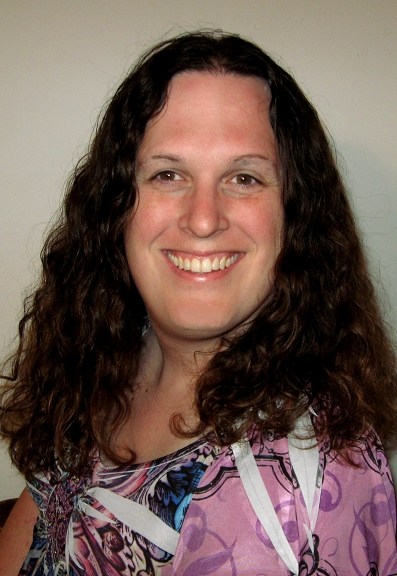
Interview with Kara Nicole Hays

1

Kara Nicole Hays, born Kody in a small town in southeastern Ohio, grew up in the heart of America's conservative Bible Belt. Her early years were marked by feelings of isolation and confusion, as she struggled with gender dysphoria and the expectations of a society that didn’t understand her. At the age of 12, before beginning her transition, Kara made headlines by attending a Halloween dance dressed in a red vinyl catsuit, a homage to her idol, Britney Spears. This bold statement shocked her classmates and school officials, setting the tone for a childhood filled with both scrutiny and self-discovery. At 15, Kara was diagnosed with gender dysphoria and began taking female hormones. It was during this transformative period that she became more determined to align her outward appearance with her true self. In 2002, after years of therapy, hormones, and a growing sense of herself, Kara underwent a 14-hour gender reassignment surgery and breast implant procedure. With her long, flowing blonde hair, Kara finally felt liberated, though not without its challenges. The backlash from her community was intense, and she faced death threats from classmates. Despite these obstacles, Kara was undeterred and remained committed to her transformation.
 
Kara’s pursuit of a career in entertainment led her to Los Angeles, where she was often mistaken for Britney by paparazzi, an experience she found validating. Later, she moved to New York to attend the New York Conservatory for Dramatic Arts, where she honed her craft in acting and public relations. Throughout her career, she has continued to be a passionate advocate for transgender rights and self-expression, drawing inspiration from the very people who once made her feel different. Today, Kara is a proud transgender woman. She has invested time, energy, and a considerable sum of money in the pursuit of her dream look, and now, after overcoming countless hurdles, she feels more empowered than ever. Kara’s story is one of courage, self-acceptance, and the relentless pursuit of happiness, reminding us that the path to becoming ourselves may not always be easy, but it is always worth it.

Monday, December 30, 2013

Interview with Rosalyne Blumenstein LCSW ACHP-SW

1
 
Rosalyne Blumenstein emerged from a New York life that was anything but conventional, becoming one of the most distinctive and outspoken figures in the early transgender rights movement. Born and raised in Brooklyn, she began her transition as a teenager in the 1970s, at a time when there were few visible paths for someone seeking to live openly as a trans woman. Her early years took her through New York's gay nightlife and sex industry, experiences she would later confront with remarkable candor in her 2003 autobiography, Branded T. The book traced a difficult but transformative journey through gender identity, addiction, survival, recovery, and eventually education and professional life. By the 1990s, Blumenstein had found a new calling in activism and social work. After meeting her mentor Barbara Warren, she became involved with the Gender Identity Project at New York's Lesbian and Gay Community Services Center, initially as a volunteer before rising to become its director. There, she worked at the intersection of transgender advocacy, public health, HIV prevention, and social services, while becoming an important public voice for a community that was still frequently overlooked even within the broader LGBT movement. Her influence extended beyond the walls of the Center.
 
By the late 1990s, Blumenstein was described as one of New York's most prominent transgender activists and a go-to commentator on transgender policy and social services. Rosalyne helped organize conferences and community programs, advocated for transgender inclusion, and pushed back against institutions that she felt continued to marginalize trans people, particularly trans people of color. Archival records from the period preserve her presence at transgender conferences, HIV/AIDS activism, and Gender Identity Project initiatives. But activism came with a price. Blumenstein has spoken candidly about the exhaustion of becoming a public figure within a movement while simultaneously feeling that she was losing the freedom simply to be Rosalyne. She eventually left New York for Los Angeles in 2002, seeking distance from the political battles that had consumed so much of her life. Yet she did not leave her convictions behind. Her work as a social worker and counselor continued to center LGBT communities, people dealing with addiction and recovery, trauma, and those living on the margins. What makes her story particularly compelling is the tension running through it, between rebellion and responsibility, glamour and vulnerability, anger and compassion, the desire to disappear from the spotlight and the equally powerful conviction that her voice still mattered. Her autobiography, her years at the Gender Identity Project, and her uncompromising approach to transgender visibility all belong to a period when many of the conversations now considered mainstream were still being fought out in bars, community centers, clinics, streets, and activist meetings.

Sunday, December 29, 2013

Interview with Şevval Kılıç

1

Şevval Kılıç is a Turkish transgender activist who has been at the heart of the country's LGBT movement and the struggle for transgender rights. At the time of this interview, she was working with Trans-Blok after previously being involved with Istanbul LGBTT Dayanışma Derneği, and she was one of the co-organizers of the Istanbul Trans Pride parade. Her activism focused particularly on combating violence against trans people, increasing visibility, and demanding that the Turkish government recognize the existence and human rights of LGBT people. Şevval's story also reflects some of the difficult realities faced by transgender women in Turkey. She spoke openly about coming out, her father's rejection, and the twenty years it took for them to eventually make peace with one another. She also recalled her experiences on Ülker Street in Istanbul, where she found herself among a large community of transgender women in the 1990s.
 
Her reflections on sex work, media representation, and violence reveal how limited and often damaging the public images of trans women in Turkey had been. At the same time, Şevval rejects the idea that Turkey could simply be dismissed as a country where transgender women have no place. She emphasizes that transphobia exists across the world, while arguing that Turkey has its own particular form of gender-based hypocrisy. She sees strength in the growing organization of the Turkish trans community, the increasing visibility of Trans Pride, and the emergence of trans candidates in mainstream political parties. This conversation captures Şevval at a significant moment in the Turkish transgender rights movement: outspoken, politically engaged, determined to challenge stereotypes, and convinced that trans people could change society rather than simply ask to be accepted by it.

Saturday, December 28, 2013

Interview with Andrea James

1

Andrea James is an American transgender rights activist, filmmaker, and media consultant. Born on January 16, 1967, she holds a BA from Wabash College and an MA in English from the University of Chicago. Before transitioning, she spent a decade in advertising, including roles at the Chicago Tribune and DDB Chicago. In 1999, she founded Transgender Map, a pioneering online resource offering guidance and support for transgender individuals. In 2003, James co-founded Deep Stealth Productions with Calpernia Addams, aiming to create media by and for transgender people. Their notable projects include the first all-transgender performance of The Vagina Monologues, featured in the documentary Beautiful Daughters, and the film Transamerica. James has also contributed to various publications, including The Huffington Post, The Advocate, and Boing Boing.
 
Beyond her creative work, Andrea James is widely regarded as a trailblazer in transgender visibility and education. Her advocacy has helped shift public perceptions, encouraging respectful dialogue about transgender experiences and issues. Her work spans decades of activism, media production, and online community building, making her an influential voice in both the transgender and broader LGBTQ+ movements. Andrea is also deeply committed to mentoring and educating future generations. Through workshops, speaking engagements, and her online presence, she empowers transgender individuals with knowledge and confidence to navigate their own journeys. Her efforts have helped foster a more inclusive environment, inspiring many to embrace their identities proudly. 

Friday, December 27, 2013

Interview with Rajée Rajindra Narinesingh

Rajee

Rajee Narinesingh’s story is one of beauty pursued with courage, and survival earned at a high cost. Born in Brooklyn and raised in Philadelphia, she came of age carrying a rich, layered heritage and a deep pull toward performance, expression, and becoming fully herself. From her early years in the arts to her studies at Edinboro University of Pennsylvania, Rajee moved through the world with both vulnerability and determination, always aware that her life would require imagination as much as endurance. Coming out as a transgender woman in the late 1990s, Rajee’s transition unfolded in a time when information, safety, and medical access were often luxuries rather than rights. In her search to align her body with her identity, she became one of many trans women harmed by underground practices that thrived in the absence of affordable, legitimate care.
 
What followed was not only physical suffering, but isolation, shame, and years spent largely out of public view, carrying pain in silence while her body bore the consequences of betrayal and neglect. Yet Rajee did not disappear. She endured. With the help of compassionate medical professionals and the quiet insistence of friendship, she began the long, uncertain process of healing, not just physically, but emotionally. Alongside this journey, she continued to create. As an actress and singer, she claimed space for herself in film and music, refusing to be defined solely by trauma. Her role in Bella Maddo offered a glimpse of her depth and wit, a reminder that she was, and remains, a storyteller in her own right. Before her name became widely known, Rajee was already living a truth many preferred not to see, a truth about the costs trans women pay when society looks away. Her life, even before the spotlight found her, speaks to resilience without romance, survival without spectacle, and a fierce insistence on dignity.

Wednesday, December 25, 2013

Interview with Jenna Fischetti

1

Jenna Fischetti is an American transgender activist whose work has been closely connected with the fight for equality and dignity for transgender people in Maryland. As the founder of TransMaryland, she helped build a grassroots organization dedicated to providing information, education, support, advocacy, and community resources for transgender and gender-nonconforming Marylanders. She also became a familiar voice in the state's debate over transgender rights, speaking directly to legislators, the media, and the public about the discrimination faced by her community. Jenna's activism grew out of personal experience. In 2004, she was fired from her job at a Maryland car dealership after her employers discovered that she lived as a woman outside of work. By 2009, she was living full-time as a woman, and she later studied government and public policy at the University of Baltimore. Rather than allowing discrimination to push her out of public life, Jenna turned her experience into a reason to become involved in advocacy. Before founding TransMaryland, Jenna was deeply involved with the Gay, Lesbian, Bisexual and Transgender Community Center of Baltimore and Central Maryland (GLCCB). From 2006 to 2011, she served as facilitator of its Gender Identity Groups, at the time helping what was described as the largest peer-based transgender group in Maryland. Through this work, she met and supported many members of the state's transgender community and became increasingly involved in organizing and political advocacy.
 
Jenna became particularly visible during the battles over Maryland legislation concerning gender identity discrimination. In 2011, she testified before the Maryland Senate in opposition to legislation that she believed did not provide adequate protection for transgender people, and TransMaryland organized rallies and other grassroots efforts around the issue. She argued that transgender people needed to be present at the table themselves rather than having other organizations speak for them. Her activism also extended beyond legislation. Jenna participated in campaigns surrounding violence against transgender people and helped organize Baltimore's Transgender Day of Remembrance events. In 2012, TransMaryland organized a press conference and community vigil in Baltimore to remember transgender people who had lost their lives to violence and prejudice. Jenna was also a contributor to The TransAdvocate, where she wrote about transgender rights, discrimination, politics, and the broader LGBT movement. Her writing reflected the same philosophy that shaped her community activism: transgender people should not be treated as an afterthought within the struggle for LGBT equality, but should have their own voices, leadership, and representation.

Interview with Kayla Ward

2

Kayla Ward is a young American video blogger whose openness and courage have touched the hearts of many. Through her YouTube channel, she has been documenting her transition, sharing both the joys and challenges of her journey with refreshing honesty. Her videos have become a source of hope and encouragement for countless viewers who see in her story a reflection of their own struggles and dreams. Kayla’s positivity shines through in every word she speaks, as she embraces life with confidence and gratitude for finally living as her true self. She does not shy away from discussing the difficult moments, from the internal struggles of coming to terms with her identity to navigating societal expectations, making her story relatable and deeply human. Her authenticity allows viewers to connect with her on a personal level, offering reassurance that they too can find strength in embracing who they are.
 
Beyond her online presence, Kayla’s story is one of resilience, self-discovery, and quiet strength. She speaks openly about the personal challenges she faced along the way, including the pain of lost relationships, the fear of rejection, and the joy of newfound freedom. Her outlook on life reflects both optimism and wisdom, grounded in the belief that authenticity is worth every struggle. Whether discussing her love for fashion, her admiration for transgender trailblazers, or her hopes for greater equality, Kayla radiates warmth and sincerity. She has built a life that celebrates both her individuality and her connection to a broader community, showing that courage and vulnerability can coexist beautifully. Her journey is not only an inspiration to those within the transgender community but also a powerful reminder that happiness begins when we choose to live truthfully. Every step of her path encourages others to pursue their dreams, embrace their identities, and find joy in the process of becoming their most authentic selves.

Saturday, December 21, 2013

Interview with Kayhar

Kayhar

Kayhar is a singer, artist, and trans activist who found a unique way to combine her personal journey with her passion for music. Rather than simply documenting her transition, she transformed it into an artistic story, using YouTube to introduce herself as a singer while sharing the deeply personal experience of becoming the woman she knew herself to be. Her first transition video, a cover of Coldplay’s “Fix You,” reached hundreds of thousands of viewers and brought her story to a wide audience. But it was her second project, a performance of “Battlefield” featuring Kayhar singing alongside a recording of her pre-transition self, that truly demonstrated her creative approach. The duet became something of a conversation between her present and past selves, allowing her to look back at the person she once was while celebrating how far she had come. Music was not simply a career ambition for Kayhar. It became a source of identity, expression, and empowerment. She dreamed of releasing her first EP and hoped to build a career that could challenge the limited ways in which transgender women were represented in popular culture. Her ambition was unapologetic: she wanted to become the first trans woman to receive a Grammy nomination and, one day, perform live on Saturday Night Live.
 
Kayhar’s journey was also shaped by the transgender women who came before her. Her lifelong friend and transgender model Giana Caceres was particularly important, providing support and a real-life example at a time when Kayhar was struggling with her own gender identity. She also looked up to Dina Marie Delicious. These women showed her that another future was possible, and Kayhar hoped eventually to become that kind of role model for someone else. As she put it, representation can save lives. Coming out, however, was not simply a matter of explaining herself to other people. Kayhar describes accepting herself as a trans woman as the hardest part of her journey. The seemingly endless process of hormones, cosmetic procedures, explaining her identity, navigating dating and employment, and constantly clarifying who she was eventually taught her an important lesson: self-acceptance had to come first. Beyond music, Kayhar had a background in the New York City Clubkid nightlife scene and embraced fashion as another form of self-expression. She saw clothing as freedom and empowerment, bringing the same creativity to her personal style that she brought to her music. In this interview, Kayhar talks about music, YouTube, transition, self-acceptance, the women who inspired her, fashion, activism, politics, love, and her ambitious dreams for the future. Above all, hers is a story about refusing to wait for permission to become the person she wanted to be. Kayhar was determined not merely to tell her story, but to turn it into art, visibility, and ultimately a message of empowerment for other transgender women.

Friday, December 20, 2013

Interview with Esben Esther Pirelli Benestad

x6

Esben Esther Pirelli Benestad is one of Norway’s most distinctive and influential transgender figures, a physician, sexologist, professor, author, and outspoken advocate for greater understanding of gender diversity. Born Esben Benestad in 1949, she later added the names Esther and Pirelli, explaining that the combination reflected a gender identity that did not fit neatly into the traditional categories of man and woman. She has described herself as a trans person and has spent much of her professional life challenging the idea that there are only two possible ways of being. Her professional career has brought together medicine, sexology, family therapy, education, and transgender advocacy. Esben Esther has worked with trans people since the 1980s and, together with her wife, psychologist and sexologist Elsa Almås, has run a sexology practice in Grimstad. In February 2012, the couple became professors of sexology at the University of Agder, becoming the first professors in the field in Norway. Esben Esther and Elsa Almås have also written extensively about sexuality and gender. Their books include Sexologi i praksis, Kjønn i bevegelse, Transseksualisme – hvor går vi og hvor står vi?, Transekjønn og diagnoser, and Penisatlas. Her work has contributed to a more open discussion of sexuality, gender identity, and the experiences of transgender people, both within professional circles and in Norwegian public life.
 
Esben Esther became known far beyond the medical and academic world through her son Even Benestad’s acclaimed 2002 documentary All About My Father (Alt om min far). The deeply personal film explored Esben Esther’s life and identity through the perspective of her son and family. It went on to win numerous awards, including the Teddy Award for Best Documentary at the Berlin International Film Festival and the Best International Feature Documentary award at Hot Docs in Canada. Her public visibility continued in 2007 when Esben Esther participated in the Norwegian television dance competition Skal vi danse. She was eliminated after four episodes, but the experience placed a highly visible transgender person in front of a mainstream Norwegian television audience. She later spoke about how challenging it had been to dance in heels before such a large audience, while also emphasizing the remarkable support she received from the Norwegian public.

Interview with Gina Leigh Duncan

1

Gina Duncan was born Greg Pingston and lived as a man for 50 years. “Greg” transitioned to Gina in 2006. Greg was a standout football player in high school and earned a football scholarship to attend East Carolina University (ECU). Greg was the captain of an undefeated state championship football team, an all-state middle linebacker, and was class president and homecoming king in high school. Greg was also Vice President of the Student Government Association at ECU. Greg, now Gina, was a father of two, a husband, a brother, and a son. Gina Duncan has been in the mortgage banking business in Orlando since 1980. She has served on the Home Builders Association of Mid-Florida and Mortgage Bankers Association Boards of Directors. Gina was President of the Mortgage Bankers Association of Central Florida in 2005. She was with Wells Fargo Home Mortgage from 1997 to 2011, and served as the Area Manager of Central Florida, and Regional Manager for East Florida, overseeing 26 branches, over 250 employees, and a multi-million dollar budget. While at Wells Fargo, Gina was Chair of the East Region of Wells Fargo’s employee resource group, PRIDE, for LGBT employees, overseeing 46 PRIDE chapters from Maine to Texas.
 
Gina served on the Human Rights Campaign Steering Committee as Co-Chair of the Diversity Committee. She chaired the Transgender Day of Remembrance and Transgender Career and Wellness Fair events. Gina also served as President of the Metropolitan Business Association (MBA), the LGBT Chamber of Commerce in Orlando. She was the President of MBA’s Come Out With Pride event, which annually draws over 100,000 people to the Orlando area. Gina was invited to attend the first-ever Human Rights Campaign’s National Women’s Diversity Leadership Conference, and also served on the HRC National Business Council. Gina serves on the Board of Directors and Steering Committee of Equality Florida and on the Orlando Anti-Discrimination Alliance, which has been instrumental in passing the Orange County Human Rights Ordinance as well as a Domestic Partnership Registry in both the City of Orlando and Orange County. Gina recently ran for County Commissioner, garnering 40% of the vote in an unsuccessful bid for county office.

Thursday, December 19, 2013

Interview with Jennifer Leitham

JL0046(2)

Jennifer Leitham is an American jazz musician, double bassist, vocalist, composer, arranger, and bandleader whose career has spanned more than four decades. A left-handed bassist sometimes known by the nicknames “Lefty” and “The Southpaw,” she has performed and recorded with some of the most respected names in jazz, including Woody Herman, Mel Tormé, George Shearing, Peggy Lee, and Doc Severinsen. Her distinctive playing has appeared on more than 100 recordings, and her career has taken her to some of the world's most prestigious stages and jazz festivals. Music became Jennifer's refuge from an early age. Inspired by The Beatles and Vince Guaraldi's music for the Peanuts television specials, she began performing in high school and later worked her way from electric bass to the upright bass. She studied with Al Stauffer and subsequently received guidance from legendary bassists including Milt Hinton, George Duvivier, and Slam Stewart. Her professional career took a major step forward in 1981 when she joined the Woody Herman Orchestra, followed by her move to California in 1983. In 1987 she began working with Mel Tormé, becoming his regular bassist and performing and recording with him for many years. She also became associated with Doc Severinsen, eventually performing with his orchestra and small groups.
 
Jennifer's musical career and her personal journey became intertwined in a particularly profound way. After years of keeping her gender identity private, she transitioned in 2001 while touring with Doc Severinsen. The decision meant risking a successful career in a traditionally male-dominated musical world, and Jennifer has spoken openly about the professional ostracism she experienced afterward. Yet transition also allowed her to build a new chapter as a solo artist, leading her own trio and recording albums including “The Real Me,” which became the most popular recording of her career, as well as “Left Coast Story.” Her story became the subject of Andrea Meyerson's 2012 documentary “I Stand Corrected.” Rather than presenting Jennifer solely through the lens of transition, the film explored her life as a musician, her remarkable career, and the risks involved in finally living openly as the woman she had always known herself to be. The documentary received considerable attention on the LGBT film-festival circuit and won Best Documentary at the 2012 QFilms Festival. In our conversation, Jennifer talks about discovering music, the legendary musicians who helped shape her career, her transition and the losses that accompanied it, the importance of Angela Morley as a role model, the making of “I Stand Corrected,” her experiences as a performer, and her hopes for greater understanding of transgender people.

Wednesday, December 18, 2013

Interview with Janice Covington

Janice+Covington

Janice Covington Allison is a fearless and outspoken transgender rights activist from Charlotte, North Carolina. Janice’s advocacy dates back to the 1980s, making her one of the early and enduring voices for transgender equality in the United States. Over the years, she has helped shape the visibility of our community, most notably as the first openly transgender woman from North Carolina to serve as a delegate at the 2012 Democratic National Convention. As the founder of TransCarolina, Janice created a vital space that addressed workplace rights while also building community and solidarity among transgender individuals across the South.
 
Her work with Get-Equal, local demonstrations, and tireless push for the Employment Non-Discrimination Act are just a few examples of her lifelong commitment to justice and inclusion. But beyond the accolades and activism, Janice is also a contractor, a storyteller, and someone who knows that change often begins with a conversation, whether on the campaign trail, at a construction site, or in line at the local theater. Join me now as we explore her remarkable journey, her reflections on political change, and the deep humanity that fuels her fight for equality.

Interview with Maria Haaning

1

Maria Haaning is a young transgender woman from Denmark, recognized as the youngest Danish person to undergo gender confirmation surgery. Born as a boy, Maria faced a challenging journey filled with physical and emotional pain, including suicide attempts and significant financial costs exceeding 100,000 kroner. However, her unwavering determination and belief that transitioning was the right choice ultimately led her to embrace her true identity as a woman. At just 18 years old, Maria made the life-changing decision to undergo gender reassignment surgery, fulfilling her lifelong dream of living in the body she felt she was meant to inhabit. Her transition was fraught with difficulties, as she faced bullying, rejection from peers, and isolation from her family and society. In her autobiography, "Ham og Mig" (Him and I), Maria shares her painful yet inspiring story of being marginalized and misunderstood while striving to be true to herself.
 
Maria's book not only recounts her personal experiences but also serves as a valuable resource for understanding the struggles faced by transgender individuals. Through candid reflections, she discusses the impact of bullying, the internal battles she fought, and her journey toward self-acceptance. With her story, Maria aims to educate others about transgender issues and promote empathy and understanding. Today, Maria is a public speaker, sharing her journey and advocating for transgender rights across Denmark. She has participated in various media appearances and has been featured in national magazines. Her experiences have positioned her as a role model for young transgender individuals, inspiring them to embrace their identities and pursue their dreams. As she continues her education in pharmacy, Maria is committed to living authentically and finding fulfillment in her personal and professional life. 

Sunday, December 15, 2013

Interview with Rachel Pollack

1

Rachel Pollack, an acclaimed science fiction author, comic book writer, and Tarot grandmaster, has made a significant impact in literature and spirituality. Born in Brooklyn, New York, she graduated from New York University and Claremont Graduate University, building a legacy through her writing, which explores themes of identity, mythology, and the mystical arts. She is best known for her novels Unquenchable Fire (1989), Godmother Night (1997), and Temporary Agency (1995), as well as her groundbreaking work on Tarot. Her book 78 Degrees of Wisdom (1980) remains a cornerstone of modern Tarot interpretation, and she later designed her own deck, the Shining Woman Tarot, showcasing her deep understanding of symbols and mythology.
 
In the early ‘90s, Rachel brought her storytelling prowess to comics, taking over Doom Patrol for DC’s Vertigo imprint. Her run introduced bold, unconventional themes, including Coagula, one of the first transgender superheroes in mainstream comics. She is no stranger to breaking boundaries, her Arthur C. Clarke Award-winning Unquenchable Fire blends magical realism with visionary storytelling. Beyond fiction, Rachel Pollack is an educator, teaching at Goddard College and leading Tarot seminars worldwide. As a trans woman, she infuses her work with themes of identity and transformation, always pushing the boundaries of genre and convention.

Saturday, December 14, 2013

Interview with Bianca Lewis

3
 
Bianca Lewis is a South African-born video blogger whose life has taken her through experiences few people could imagine. Growing up under apartheid, surviving bacterial meningitis that left her in a coma, spending a year in a wheelchair after paralysis, and later living and working in the Middle East, including during times of war, Bianca has faced challenges that would have tested even the strongest person. Along the way, she also experienced marriage, divorce, motherhood, and the loss of almost her entire family. Bianca eventually began her transition later in life, after decades of living with the feeling that the person the world saw did not reflect who she truly was. She documented her journey on YouTube, hoping not only to share her own experiences but also to offer encouragement to others who were still searching for the courage to become themselves.
 
Her story is not simply about transition, however. As Bianca herself explains, being a woman is only one part of a much larger and more complicated life story. In our conversation, Bianca speaks openly about growing up feeling like an outsider in her own skin, the challenges of coming out after having lived for decades as a husband and father, the women who inspired her, and the importance of acceptance and dignity. She also talks about motherhood, fashion, beauty pageants, politics, friendship, love, and her hopes for a more peaceful future. Above all, hers is a story about the determination to keep moving forward, regardless of how difficult the journey becomes.

Thursday, December 12, 2013

Interview with True Scarlet

1

True Scarlet is an American video blogger and transgender advocate based in Florida. Known for her thoughtful and heartfelt YouTube channel, she has been documenting her transition journey in the hope of offering guidance, encouragement, and a sense of solidarity to others exploring their gender identity. Born Arrietta, she works as a Facility Maintenance Supervisor at a drug and alcohol treatment center and brings the same dedication to her professional life as she does to her advocacy. Now in her early thirties, True began publicly transitioning after spending years researching the psychological and biological aspects of being transgender, initially in private. Inspired by the stories of others she found online, she decided to share her own experience to "give back" and support those just beginning their path. With over a year of counseling, more than fourteen months on hormones, and her legal name and gender marker already changed, she continues to hit meaningful milestones with strength and optimism. A passionate hiker and avid reader, True blends curiosity, introspection, and resilience in everything she does. Whether she’s speaking to students in a college Human Sexuality class, helping organize local Trans Pride events, or simply offering a vulnerable moment of reflection on camera, True Scarlet stands as a quiet but powerful voice for authenticity, visibility, and hope.

Interview with Jenna Arriving1

1

Jenna Arriving1 is a London-based video blogger whose honest and heartfelt YouTube channel has touched the lives of countless transgender viewers. Now 38, Jenna has been documenting her transition with raw vulnerability and thoughtful reflection, offering a deeply personal window into the joys, struggles, and quiet triumphs of living authentically as a transgender woman. Her journey spans decades, beginning with an early attempt to transition at 16, followed by detransition, and ultimately returning to her truth in her mid-thirties. Two years into hormone replacement therapy and one year post-facial feminization surgery, Jenna continues to share candid updates, emotional insights, and practical advice for others navigating similar paths. Her vlogs aim not just to educate, but to comfort and empower, especially for those who may feel isolated or unsure of their place in the world. Jenna's perspective is rooted in resilience, humility, and a deep desire for love and connection. She may not be active in politics or local activism, but through her online presence, she champions visibility and reminds others that their stories matter too. Whether reflecting on childhood memories with her twin brother, navigating heartbreak, or exploring the complexities of style and identity, Jenna brings humor, humanity, and grace to every part of her transition story. She’s not just documenting a transformation, she’s helping others see what’s possible when you choose to be yourself.

Wednesday, December 11, 2013

Interview with Jessica Tiffany

3

In the ever-growing landscape of transgender visibility online, some voices cut through the noise not just with honesty, but with a quiet kind of courage. Jessica Tiffany, a 27-year-old video blogger from Canada, is one of those voices. Known to her followers on YouTube as “cuteypietiffany,” she’s been documenting her transition for nearly two years, sharing vulnerable truths, small victories, and the sometimes messy process of becoming who you truly are. Her vlogs are unfiltered, often funny, and always heartfelt. What started as a spontaneous post on Reddit soon grew into an online chronicle of self-discovery that has touched countless viewers around the world.
 
In this candid conversation, Jessica opens up about the complexity of gender identity, the tension between kink and authenticity, her journey with hormones, and the emotional rollercoaster of coming out. We talk about everything from Sailor Moon to psychological assessments, Chelsea Manning to self-bondage, passing to Pride, and the moments that made her feel most alive, and most seen. Jessica doesn’t pretend to have all the answers, but she asks the right questions, and that’s what makes her story so deeply relatable. Let’s dive into our chat with a young woman who reminds us that being true to yourself isn’t always easy, but it’s always worth it.

Interview with Meggan Sommerville

1
 
Meggan Sommerville is a passionate transgender advocate, writer, and blogger from Oswego, Illinois. Beyond her activism, Meggan has a diverse professional background, having worked as a veterinary technician, EMT/paramedic, EMS instructor, and a paid on-call firefighter. For the past 15 years, she has been a frame shop manager for a national craft retailer, where she helps customers preserve cherished memories through custom framing. However, Meggan is perhaps best known for her courage in standing up for transgender rights. In 2011, she made headlines when she filed a complaint with the Illinois Department of Human Rights (IDHR) after being denied access to the women's restroom at her workplace. Her case became a pivotal moment in the fight for transgender equality in workplace policies. In addition to her professional and advocacy work, Meggan is the voice behind Trans Girl at the Cross, a blog featured on ChicagoNow.com, where she shares her life experiences, faith, and insights into the challenges faced by the transgender community. As the only transgender blogger among over 400 contributors to ChicagoNow, she uses her platform to shed light on the intersection of transgender identity and Christian faith.

Monday, December 9, 2013

Interview with Michelle Hendley

4
 
Michelle Hendley is an American actress, video blogger and cosmetology student from Missouri who has shared her transition journey with viewers on YouTube. At 22, she has already built a life around several creative passions, from acting and makeup to fashion and storytelling, while using her own experiences to connect with other transgender people online. Michelle began documenting her life on YouTube before she had a clear idea of what she wanted her channel to become. After her own “gender realization,” she was inspired by transgender women who openly shared their stories online and helped her feel less alone. She decided to do the same for others, becoming part of the growing online trans community and offering encouragement through her own experiences. Michelle describes the effects of HRT as extending far beyond physical changes, giving her a sense that her mind and body are finally operating in sync. Her childhood was largely happy and supportive, although adolescence brought bullying, social isolation and an increasing discomfort with being described as a “young man.”
 
Coming out was accompanied by fears about acceptance and about not being able to pass, but her extended family ultimately supported her decision to transition. Alongside her transition, Michelle is developing a distinctly creative identity. She loves makeup, favors classic clothing and black with subtle touches of color, and draws inspiration from the effortless aesthetic of chic Parisian women. Michelle speaks openly about her hopes for the future, from moving to New York City and pursuing acting to possibly making makeup her profession. She would also like to become a spokesperson for the transgender community and use her voice to empower others. At the same time, she dreams of finding love and eventually raising a family after fulfilling her own ambitions. Despite acknowledging the uncertainties ahead, Michelle describes herself as a very happy woman, excited by the possibilities of being young and building a life that feels authentically her own.

Sunday, December 8, 2013

Interview with Louise Hannon

1

Louise Hannon emerged as one of Ireland’s most visible transgender advocates at a moment when there were still remarkably few public voices speaking openly about trans life, equality, and recognition. Her story is inseparable from a long struggle to live honestly: after years of wrestling with her gender identity, she transitioned in 2007, chose the name Louise, and found herself confronting not only the deeply personal challenges of beginning a new life, but also the institutional barriers that followed her into the workplace. Her decision to challenge those barriers made her a landmark figure in Irish equality history. After First Direct Logistics required her to move between female and male identities at work, including asking her to revert to her male identity when dealing with clients, Louise brought a case before the Equality Tribunal. In 2011, the tribunal found discrimination on gender and disability grounds and awarded her compensation. She had deliberately given up her anonymity, hoping that speaking publicly would encourage employers to take transgender employees seriously and give other trans people the confidence to live openly.
 
But Louise’s activism reached beyond her own legal battle. She became involved with the Transgender Equality Network Ireland, served on its committee, and is its vice chair. She also spoke publicly about the need for legal gender recognition and challenged the ignorance and stereotypes surrounding transgender people in Irish society. In 2010, she addressed the question of why Ireland needed a Gender Recognition Act; in 2012, she condemned media portrayals that she believed encouraged ridicule and potentially violence against trans people. There is another, more creative side to Hannon’s story: she describes herself not only as an activist but also as a photographer, with particular enthusiasm for fashion and glamour photography. She traces that interest back to childhood, when a simple Kodak Box Brownie became a way of photographing the animals around her family home, and recalls that she wanted to pursue photography and fashion as a teenager. She is also working on an autobiography about the turbulent path that brought her to this point. Her public life grew out of a private struggle to stop living what she describes as a lie, and her willingness to turn a painful workplace experience into a public fight helps give visibility to people who had very few examples of themselves in Irish public life. Louise has become not simply a woman who won a significant discrimination case, but a persistent voice for dignity, recognition, and the right to be seen on one’s own terms.

Wednesday, September 18, 2013

Interview with Lisa Olsson

1

Lisa Olsson is a Swedish transgender advocate, activist, and photographer. She is not only passionate about capturing the world through her lens but also dedicated to raising awareness and promoting visibility for the transgender and broader LGBT+ community. She works as an unemployment agent while continuing her academic pursuits at the university level, purely for the joy of learning. Never one to sit idle, Lisa is always engaged in activities that challenge her intellect and creativity. Beyond her professional and academic life, Lisa has recently launched her own company, focusing on lectures, courses, and personal coaching to enhance LGBT+ inclusion in the business sector and public administration. With a strong voice in advocacy and a keen eye for photography, particularly in macro and nature photography, she is a woman of many talents. Lisa’s journey as a transgender woman has been shaped by resilience, self-discovery, and an unwavering sense of confidence. Unlike many, she did not find solace in traditional transgender role models, instead forging her own path and embracing her background as an integral part of her identity. Her perspective on transgender issues is refreshingly positive, emphasizing personal empowerment and the importance of visibility.

Monday, September 16, 2013

Interview with Aeris Houlihan

1
 
Aeris Houlihan is a British transgender woman, football player, musician and video blogger who documented her transition on YouTube. Born in Dublin, she moved to England at the age of around three and spent the rest of her childhood there. Outgoing and sociable, Aeris has always enjoyed keeping fit, experimenting with fashion and makeup, producing music and working with video special effects. Like many transgender women, Aeris knew from a very young age that something about the gender expected of her did not feel right. For years, however, she tried to suppress those feelings, believing she could somehow control them, only to find that doing so brought unhappiness and internal suffering. Eventually, she decided that living authentically was more important than continuing to hide a part of herself. One of Aeris's greatest fears when coming out was the possibility of hurting or losing her family. Fortunately, she also experienced considerable support in another important part of her life: her workplace. Working in a large office with hundreds of people, she remembers the anxiety of arriving for her first day as herself, only to discover that, after the initial period of adjustment, her transition gradually became simply another part of everyday life.
 
Aeris is also passionate about visibility and believes that openly sharing transgender experiences can help replace fear and misunderstanding with knowledge. She has a particular love of fashion, describing clothes shopping as one of her favourite hobbies, and enjoys mixing high-street fashion with designer pieces. A self-described social butterfly, she moves easily between different communities and enjoys meeting new people and trying new experiences. Looking ahead, Aeris is preparing for another important milestone in her transition while also hoping to return to the live music scene and develop the songs she had been recording in her home studio. Above all, her journey is about finally being able to look in the mirror and recognise the woman she had always known was there. And with so many plans, passions and ambitions still ahead of her, I was delighted to sit down with Aeris and learn more about her remarkable journey.

Sunday, September 15, 2013

Interview with Ellen Krug

1

Ellen Jean Krug is a lawyer, author, and transgender activist whose life story is one of resilience, honesty, and transformation. Born in Newark, New Jersey in 1956, she grew up in Cedar Rapids, Iowa, where she graduated from Coe College in 1979 before earning her Juris Doctor from Boston College Law School. After building a successful career in civil trial law, Ellen made history in 2009 when she became the first attorney in Iowa to conduct jury trials in separate genders following her transition. Two years later, she began serving as the first executive director of Call for Justice, LLC, a Minneapolis nonprofit that helps low-income individuals connect with legal resources, making her the only transgender person at the time to lead a nonprofit in the city not specifically focused on LGBT issues. In addition to her legal and nonprofit work, Ellen has shared her personal journey with remarkable candor in her memoir Getting to Ellen: A Memoir about Love, Honesty and Gender Change, published in 2013.
 
She also became a columnist for Lavender Magazine, where her award-winning series Skirting the Issues reached a wide audience and offered a thoughtful voice on gender, identity, and inclusion. By 2013, Ellen had established herself as a sought-after speaker, appearing at universities, community events, and national platforms, including Iowa State University’s Transgender Day of Remembrance. Ellen’s visibility has also extended to national and local media, where she has been featured in the Huffington Post, the Minneapolis Star Tribune, Lion’s Roar, and on Iowa Public Radio. She has spoken openly about the challenges and rewards of her transition, offering a deeply personal perspective that resonates far beyond the transgender community. Her journey highlights the power of authenticity and the importance of creating space for compassion and understanding in society. Through her work and her words, Ellen has become not only an advocate for transgender rights but also a voice for human connection and dignity.

Saturday, September 14, 2013

Interview with Sammy12534

1
 
Phoebe is a young American transgender woman and video blogger who shares her transition journey on YouTube under the name Ask Phoebe, having previously used the channel name Sammy12534. Outgoing and outspoken on the surface, she describes herself as a shy girl who has learned to push herself beyond her comfort zone by sharing her experiences with others. Her YouTube channel became a way to break the isolation she once felt, connect with people around the world, and offer encouragement to others who may not yet have the courage to speak openly about their own journeys. Phoebe’s story begins in childhood, when she gravitated toward traditionally feminine interests, playing with Barbies and Bratz and dressing in her mother’s clothes. By college, she was increasingly living openly as herself, despite encountering looks and comments from others.
 
Fashion, beauty and self-expression are important parts of Phoebe’s femininity, although she prefers affordable clothes that make her feel cute and confident rather than expensive designer labels. She also admires transgender women such as Carmen Carrera and sees transgender beauty pageants as an empowering form of visibility. At the same time, she speaks candidly about the difficulties of finding acceptance, dealing with family members who still use her former name and male pronouns, and searching for genuine love and companionship. She does not pretend that every day is easy, but she draws strength from her friends and her growing YouTube family. Looking ahead, she hopes to begin hormones, build a stronger online presence, find love, and continue encouraging other transgender women to express themselves and live authentically.

Thursday, September 12, 2013

Interview with Eden Dintsikos

eden
 
Born in Greece and raised in Belgium, Eden Dintsikos spent much of her early life hiding parts of herself, experimenting with makeup privately before eventually finding the confidence to express herself openly through an androgynous, goth-inspired style. Around the age of twenty, as her body became more masculine, Eden began questioning whether she could become a woman. Fear of rejection kept her awake at night until she finally confided in her boyfriend, who became one of her strongest sources of support. She later began hormone replacement therapy and underwent facial feminization surgery, describing the changes as small victories and saying that, for the first time, she was beginning to love her body.
 
Eden also chose to document her transition on YouTube, hoping to help other trans women while educating people who had little understanding of transgender experiences. Her story carries both painful memories of family rejection and a profound appreciation for the love she found in her relationship with Do. She dreams of becoming a nurse, creating a home together, and building the happy family she always wanted. Open, determined, and unafraid to speak about both the difficult and joyful parts of transition, Eden’s message is ultimately one of self-belief: other people may judge you, but they should never decide your worth or your happiness.

Monday, August 26, 2013

Interview with Casey Plett

Casey
 
Casey Plett’s writing emerged from a place where transition, humor, uncertainty, desire, family, and ordinary life could exist on the same page. Born in Winnipeg and living in Canada after years in the United States, Plett has made a distinctive mark through her candid writing about transition, particularly in her Balls Out: A Column On Being Transgendered series for McSweeney’s Internet Tendency. Beginning in 2010, those essays followed the intimate, sometimes awkward, sometimes hilarious realities of her early transition, from starting hormones and navigating changing relationships to hair, clothes, family, sex, and the strange process of discovering how differently the world can respond to you. But Plett was already moving beyond memoir. Her short story “Other Women,” published in Topside Press’s 2012 anthology The Collection: Short Fiction from the Transgender Vanguard, marked an important step into fiction, allowing her to explore trans women not as symbols or lessons, but as complicated people with friendships, lovers, histories, conflicts, flaws, and desires. The anthology brought together 28 transgender writers, placing Plett among a growing literary community determined to create space for stories that had too often been missing from mainstream fiction.
 
In this interview Casey describes the beginning of her writing life almost mischievously, remembering that she had imagined being a writer since childhood, then suddenly, at nineteen, sat down in Seattle and began writing about everything that had happened to her in the preceding months. She recalls periods when writing gave way to drinking and smoking, but that weekend remained, in her mind, the moment when she decided to take writing seriously. By then, she was also developing a larger body of short fiction and wrestling with a memoir-like nonfiction project she had not yet figured out how to finish. For her, fiction should make room for people in all their messiness, humor, contradictions, relationships, and specificity. She has also spoken of being excited by the emergence of a genuine trans literary community, with writers and editors creating work on their own terms. There is an unmistakable intimacy to Plett’s voice, but also a sharp comic instinct. Her transition writing could move from vulnerability to absurdity within a few sentences, finding humor without making the underlying experience feel trivial. Her fiction similarly grew from questions about how trans women relate to cis women, to lovers and friends, to family, and to one another, while drawing on the emotional territory of her own life without reducing fiction to autobiography. By this point, Casey Plett is still at the beginning of her literary journey, but the voice has already been unmistakably her own.

Sunday, August 25, 2013

Interview with Britany Somers

Britany_01

A longtime radio professional in South Florida, Britany Somers spent two decades as part of the Neil Rogers Show before creating her own online program, the Boca Show, a general-interest program reflecting her broad range of interests and her frustration with the growing corporate consolidation of American media. For Britany, radio is not simply a profession, but a way of communicating, questioning conventions, and saying what she thinks, often with a sharp sense of humor. Her transgender advocacy has been an equally important part of her journey. Britany has worked with medical and public-health programs, served as a transgender liaison, participated in transgender awareness initiatives, and spoken to university students about transgender lives and experiences. She found these encounters particularly rewarding because they allowed her to challenge the stereotypes created by mainstream media and show students that transgender people are, above all, ordinary human beings with complex lives, personalities, ambitions, and dreams. Her experiences also exposed her to the institutional barriers that transgender advocates could encounter even when attempting to improve education and healthcare.
 
Britany’s approach to transgender issues is anything but conventional. She is fiercely critical of media stereotypes, skeptical of some aspects of LGBT community politics, and deeply frustrated by what she sees as divisions and a lack of collective action within the transgender community. Her answers are frequently provocative, irreverent, and deliberately humorous, but beneath the sarcasm lies a serious concern about representation, dignity, political visibility, and the need for transgender people to be understood beyond the stereotypes imposed upon them. Her own transition was surprisingly straightforward in practical terms, although it required considerable research and preparation. Britany approached her new life with characteristic determination, refusing to allow other people’s opinions to dictate how she lived. She also developed a strong belief in the importance of presentation and comportment, seeing every transgender woman as, in her words, a kind of ambassador for the wider community. In this interview, Britany talks about her radio career, her transition, transgender advocacy, the media’s portrayal of transgender people, politics, LGBT activism, fashion, relationships, and her plans to complete her book Living Abroad. Expect an interview filled with strong opinions, unconventional observations, plenty of humor, and a woman who clearly has no intention of making herself smaller simply to make other people comfortable.

Saturday, August 24, 2013

Interview with Ivory Oasis

1

Ivory Oasis, also known as Dani Landers, is a game developer, artist, and YouTube vlogger based in Los Angeles. As the founder of Studio Fawn, she pours her heart into art, writing, and design, while also documenting her transition to help others navigate similar journeys. Having been on hormones for over 29 months, Ivory shares her experiences to provide guidance to those beginning their own transitions. Rather than fitting herself into traditional gender roles, she’s embraced the freedom of simply being herself, rejecting societal labels in favor of living authentically. Despite the challenges, including rejection from her father after coming out, she remains hopeful and committed to breaking stereotypes about transgender people.
 
Ivory’s creativity is inspired by androgynous fashion and transgender characters in anime, who live confidently and express themselves freely. She believes true beauty comes from embracing diversity, rather than conforming to narrow standards. Although she prefers to stay out of the spotlight in local LGBT communities, Ivory is passionate about using her work to create more visibility for transgender people and to inspire others to live their truth. Looking ahead, Ivory remains focused on her career, prioritizing stability and growth as she continues her transition at her own pace. While her journey is ongoing, she feels grateful for the progress she’s made and is excited for what the future holds.

Friday, August 23, 2013

Interview with Lynda Oudenhoven

Lynda_01

A Denver Police Department fleet mechanic with 27 years of service, Lynda Oudenhoven came to terms with an identity she had sensed since childhood only later in life, beginning her transition at the age of 49. Rather than stepping away from the working world, she transitioned on the job, where she was already known as a dedicated and experienced professional, navigating the fears surrounding her coming out while benefiting from the legal protections available in Colorado. Her daughter encouraged her to explore Lynda more fully, while Buddhism helped her confront the fear and anxiety that had kept her from taking that step for decades. She also found unexpected love and support in a childhood friend who re-entered her life after 30 years and became one of the people who helped guide her through transition. By the time of this interview, Lynda had completed her legal transition and was recovering from gender-affirming surgery, looking forward to returning to work, retirement, and eventually a warmer life in the South.
 
Lynda also approached her transition as an opportunity to help others. Through YouTube, she documented her experiences not only as a personal record for her daughter, but also as a source of reassurance for other transgender women facing the fears she herself had overcome. Her message is ultimately simple but powerful: transition requires preparation, compassion, dignity, and courage, but the life waiting on the other side can be far richer than fear allows us to imagine. In this interview, Lynda talks candidly about discovering her identity in childhood, transitioning in her fifties, coming out to colleagues and police officers she had worked with for decades, hormone therapy, surgery, fashion, love, and her hopes for the future. Most importantly, she reflects on what it means to finally feel that her mind, body, heart, and soul are at peace.

Monday, August 19, 2013

Interview with Susan Jane Bigelow

Susan Jane Bigelow
 
Susan Jane Bigelow writes from a place where speculative fiction, political conviction, and personal experience meet. She has built an unusually varied creative life in Connecticut, working as a librarian and political columnist while establishing herself as a science-fiction and fantasy novelist. Her political writing had begun years earlier with CT Local Politics, which she wrote and operated from 2005 to 2010, before she became a weekly columnist for CT News Junkie, where she wrote about Connecticut politics and issues affecting the state. Her fiction, meanwhile, has developed into something much larger than the single novel she once imagined herself writing. Broken, published in 2011, took six years of drafting, revision, and anxiety to bring into the world. What she expected to be a one-time achievement instead became the beginning of the Extrahumans series, followed by Sky Ranger and The Spark. In May 2013, she was preparing readers for an entirely new universe with The Daughter Star, the first book in a planned trilogy about three sisters. The change was creatively demanding, she explained, because the earlier universe had been growing in her imagination since childhood.
 
There is a particular generosity to the worlds Bigelow creates. Her science fiction does not simply use extraordinary abilities, dystopias, aliens, or fantastical adventures as spectacle; it uses them to explore character, relationships, politics, gender, and the complicated ways people become themselves. A 2013 review of Broken praised the novel for transforming familiar superhero conventions into something emotionally powerful, with a richly constructed dystopian world and deeply human characters. Her transgender experience also found a place within that imaginative landscape. In the 2012 anthology The Collection: Short Fiction from the Transgender Vanguard, Bigelow contributed “Ramona’s Demons,” a story about Mona, a former demon hunter whose magical abilities have changed following her transition. The anthology, written entirely by transgender, transsexual, and gender-variant authors, went on to receive the 2013 Lambda Literary Award for its category, placing Bigelow within an important emerging generation of trans writers creating their own speculative and literary narratives.

Sunday, August 18, 2013

Interview with Carol Mapley

Carol_01
 
A Scottish transgender woman, Carol Mapley has lived a remarkable life shaped by service, resilience and an unwavering determination to make a difference. Before becoming an advocate for transgender people, she spent 18 years serving in the RAF Observer Corps and joined Grampian Police in 1977, later also working with the British Transport Police. Yet the institutions to which she had devoted so much of her life could not always offer her the same acceptance she offered others. When her desire to live as a woman became known, she experienced hostility that ultimately drove her away from policing. But Carol did not allow rejection to become the final chapter of her story. Instead, she turned painful experiences into a reason to fight for change. By 2013, she was working with the Police Service of Scotland on national policy and service delivery concerning transgender officers, staff and members of the public, while also helping deliver transgender-awareness and mental-health training at the Scottish Police College in Fife. Alongside this work, she was a director of VOX, Voices of Experience, advocating for people with experience of mental-health services.
 
In 2011, Carol stepped into another historic role when she became Scottish Labour’s transgender candidate for the Castle Douglas and Glenkens ward, making headlines as Scotland’s first transgender election candidate. For Carol, visibility was not simply about making history. It was about showing others, particularly young transgender people, that they should not have to hide who they are or live their lives in fear. Her journey from police officer to transgender advocate, from being pushed out of an institution to helping change that very institution from within, is a powerful testament to resilience. Carol Mapley’s story reminds us that sometimes the most meaningful change begins with the wounds we refuse to let define us.

Saturday, August 17, 2013

Interview with Mikki Whitworth

Mikki

For Mikki Whitworth, writing became both a refuge and a way of discovering a new future. An American writer and veteran, Mikki began writing through a group for veterans at her local VA hospital, where her first major works received silver and bronze medals at the VA National Creative Arts Festival. Years later, she returned to college at nearly forty, and in May 2011, at the age of 40, she began her transition. Surrounded by the support of her husband, friends, university and mental-health providers, she gradually began building a life in which she no longer had to hide who she was. But perhaps the most fascinating part of Mikki’s story is the way she transformed her own hopes into fiction. In her acclaimed short story Masks of a Superhero, published in The Collection: Short Fiction from the Transgender Vanguard, she created Annie, a transgender superhero who is never reduced to being a victim. Mikki wanted to imagine something she felt was still too rare in literature: a transgender character who could simply be strong and transgender at the same time.
 
According to Mikki, transgender literature was not yet a genre so much as a literary topic, an enormous space filled with stories still waiting to be told. She dreamed of narratives in which being transgender could be one part of a character’s identity rather than the entirety of it, and she believed that the future should contain more stories of successful transitions, courage, imagination and possibility. Her own characters became a way of exploring the hopes and dreams that life sometimes makes difficult to express directly. Mikki has expanded Masks of a Superhero into a novella, with hopes that the story might one day grow into a novel or graphic novel. Today, I am delighted to share her remarkable story and speak with Mikki about the woman behind the writer, the experiences behind her characters, and the dreams that inspired a transgender superhero to step into the light.

Friday, August 16, 2013

Interview with Azora Alexander

1

Azora Alexander is a young American transgender woman from a small town in North Carolina who began documenting her transition on YouTube at a time when she was still taking her first steps toward living openly as herself. What began as makeup videos gradually evolved into something far more personal, as Azora started sharing her hopes, uncertainties, struggles, and small victories with an audience of viewers who often saw their own experiences reflected in hers. For her, vlogging became both a form of self-expression and a way to build a community where transgender people could feel less alone. Her story is also one of discovering identity through a lifetime of quiet signals, from relating more strongly to female role models as a child to experimenting with her sister's clothes and eventually questioning why she felt so out of place in the role assigned to her. Although she avoided much of the overt bullying that many transgender people experience, she remembers missing out on school parties, prom, plays, and other formative experiences because she was not yet ready to reveal her true self. Coming out to her family brought another kind of uncertainty, as apparent acceptance was accompanied by an underlying tension she could still sense.
 
At the beginning of her medical transition, Azora was preparing to start hormone therapy while working with a therapist and educating herself about the changes ahead. She drew inspiration not from famous celebrities alone, but from ordinary transgender women further along in their journeys, whose honesty and resilience gave her hope. Alongside her transition, she dreamed of building a future in social work, finding love when the right person came along, and eventually creating a life in which she could feel completely at home in herself. Her reflections reveal a woman standing at the threshold of a new chapter, hopeful but realistic, vulnerable yet increasingly confident. In this interview, Azora takes us back to the experiences that shaped her, the fears and discoveries of beginning her transition, and the dreams she carries with her into the future.