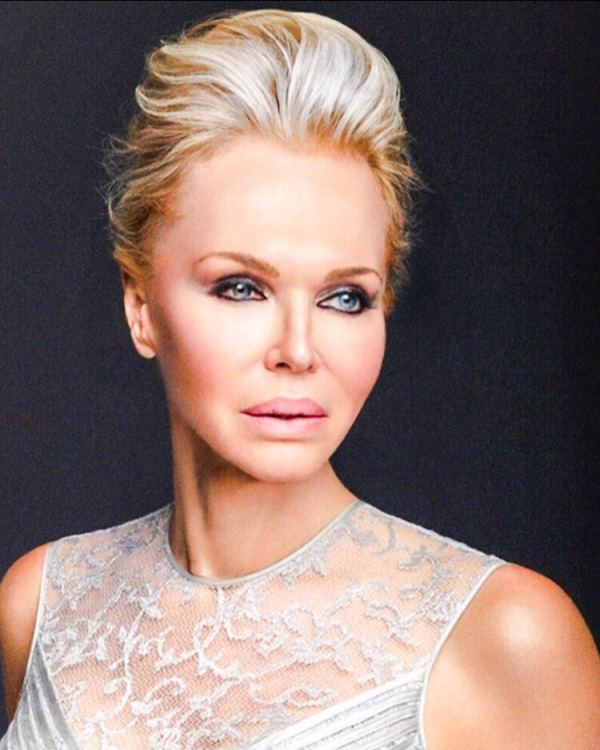
There are writers who craft stories, and then there are those who breathe life into entire worlds, Molly Cutpurse belongs unmistakably to the latter. A British author from Stratford in East London, Molly has carved out an extraordinary legacy as one of Amazon’s most prolific storytellers. With over sixty novels to her name, she weaves tales of women who love deeply, persevere stubbornly, and endure elegantly, often against the grain of their time and circumstance. Yet behind her impressive literary output lies a woman of serene solitude, a quiet observer of life who rises at four in the morning to greet her characters before the world stirs. Though she describes herself as a “hermit,” Molly’s inner world is vast and luminous, built on poetic sensibility, wit, and a lifetime of contemplation. Her work spans family drama, science fiction, and haunting period pieces, always centering human emotion over spectacle. The beloved Miriam series, based in part on her mother, follows one woman’s life from cradle to grave, while novels like The Christmas Eve Ghost or Seven Sisters paint Victorian or postwar England with ghostly tenderness and piercing truth.
Molly is a transgender woman, though her writing rarely draws overt attention to this. “It’s the work that is important,” she says simply. And yet, her presence in literature matters deeply, her portrait now hangs permanently in the Los Angeles County Museum of Art, a quiet yet powerful symbol of trans visibility through creative excellence. Now in her sixties, Molly continues to write daily, surrounded not by noise or fanfare but by the gentle discipline of her craft. She has known great love, thirty years with a beloved partner lost to cancer, and she carries that love with her in each sentence, each sigh between the lines. Though she dresses modestly, avoids social media, and prefers solitude to spotlight, her books speak with eloquence and emotional clarity to generations of women, especially those who understand what it means to quietly fight for their place in the world. It is my pleasure and honor to speak today with a woman whose life proves that literature can be both refuge and revolution.