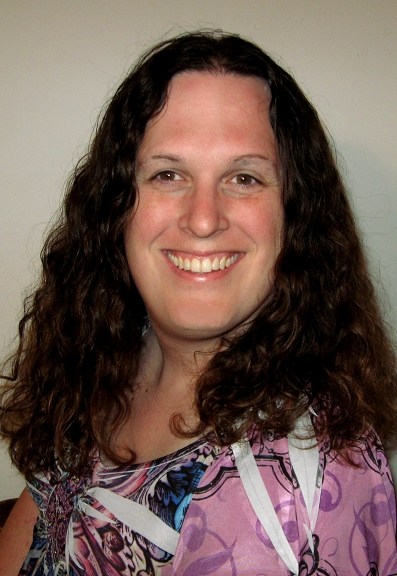
Casey Plett’s writing emerged from a place where transition, humor, uncertainty, desire, family, and ordinary life could exist on the same page. Born in Winnipeg and living in Canada after years in the United States, Plett has made a distinctive mark through her candid writing about transition, particularly in her Balls Out: A Column On Being Transgendered series for McSweeney’s Internet Tendency. Beginning in 2010, those essays followed the intimate, sometimes awkward, sometimes hilarious realities of her early transition, from starting hormones and navigating changing relationships to hair, clothes, family, sex, and the strange process of discovering how differently the world can respond to you. But Plett was already moving beyond memoir. Her short story “Other Women,” published in Topside Press’s 2012 anthology The Collection: Short Fiction from the Transgender Vanguard, marked an important step into fiction, allowing her to explore trans women not as symbols or lessons, but as complicated people with friendships, lovers, histories, conflicts, flaws, and desires. The anthology brought together 28 transgender writers, placing Plett among a growing literary community determined to create space for stories that had too often been missing from mainstream fiction.
In this interview Casey describes the beginning of her writing life almost mischievously, remembering that she had imagined being a writer since childhood, then suddenly, at nineteen, sat down in Seattle and began writing about everything that had happened to her in the preceding months. She recalls periods when writing gave way to drinking and smoking, but that weekend remained, in her mind, the moment when she decided to take writing seriously. By then, she was also developing a larger body of short fiction and wrestling with a memoir-like nonfiction project she had not yet figured out how to finish. For her, fiction should make room for people in all their messiness, humor, contradictions, relationships, and specificity. She has also spoken of being excited by the emergence of a genuine trans literary community, with writers and editors creating work on their own terms. There is an unmistakable intimacy to Plett’s voice, but also a sharp comic instinct. Her transition writing could move from vulnerability to absurdity within a few sentences, finding humor without making the underlying experience feel trivial. Her fiction similarly grew from questions about how trans women relate to cis women, to lovers and friends, to family, and to one another, while drawing on the emotional territory of her own life without reducing fiction to autobiography. By this point, Casey Plett is still at the beginning of her literary journey, but the voice has already been unmistakably her own.